Blue Endeavour
New Zealand’s first open ocean salmon farmBlue Endeavour – Pilot Farm
Pilot-scale operations at the Blue Endeavour site have now commenced, marking an important milestone in trialling the technology that will provide the blueprint for future growth and acceleration of New Zealand’s aquaculture sector. Watch the video below to see progress to date.
Blue Endeavour – Our Story
Blue Endeavour, New Zealand’s first open ocean salmon farm, has been about a decade in the making.
Blue Endeavour will be the world’s first farm of its type for the valuable King salmon (Chinook) species. The farm will be located 7km off Cape Lambert outside the Marlborough Sounds.
Watch the full video to find out more about where we started.

Blue Endeavour farm details
Blue Endeavour will be New Zealand’s first open ocean salmon farm. To ensure the farm is designed to best international standards we have worked with global design experts.
12
Surface hectares of salmon farm space
≤10,000
Metric tonnes harvested annually (once fully operational)
~$350M
Anticipated Annual Revenue (once fully operational)
Expected Benefits of Blue Endeavour
MINIMAL SEABED IMPACT

DISTANCE FROM COMMUNITIES

REGIONAL ECONOMY

FISH QUALITY
BIOSECURITY

GROWTH OPPORTUNITIES
Future focused
We are investing in what we believe is the future of sustainable food production. Our changing climate and the need for low-impact, high nutrition food are truly global issues. We view open ocean aquaculture as being a key contributor in addressing these challenges and moving towards this future.
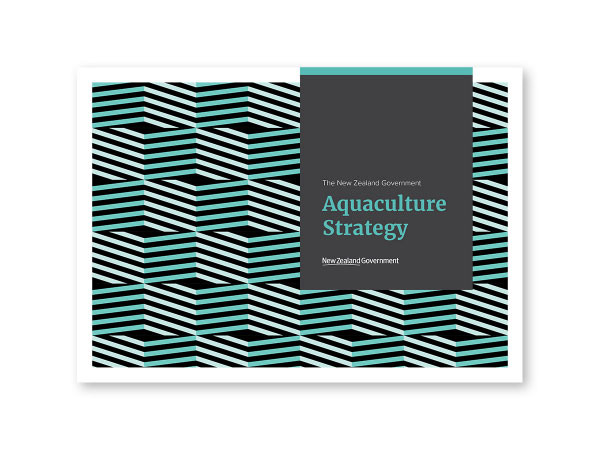
Our Blue Endeavour project aligns with the Government’s Aquaculture Strategy to achieve a $3 billion industry by 2035.

“The ‘Future Salmon Farming Programme’ will prove the viability of open ocean farming for the King Salmon species to make New Zealand a leading global supplier for this high value product” – Hon Todd McClay
Minister for Agriculture, and Trade and Investment.
Resource Consent Timeline
FAQ
What is open ocean aquaculture?
Open ocean aquaculture is a practice where sea farms are located in deeper, less sheltered, high energy surface waters with stronger currents. They are typically several kilometres away from land.
What are the benefits of open ocean aquaculture?
Open ocean aquaculture has a range of benefits including improved biosecurity and a reduction in the effects of seasonal temperature changes. It is also one of the most sustainable and environmentally low-impact methods of producing healthy, nutritious protein.
Why is open ocean aquaculture important for New Zealand?
Here in New Zealand, aquaculture is considered a growth industry with a bright future. So much so, that in 2019 the Government launched a national Aquaculture Strategy with a target of $3 billion by 2035 with open ocean finfish farming named as a key contributor – demonstrating confidence in its future in New Zealand.
What is the potential for open ocean aquaculture in New Zealand?
New Zealand’s marine estate is more than 15 times the size of our land area, yet we are farming just 0.01% of it. With over four hundred million hectares of ocean space on our doorstep, farming a tiny proportion of the ocean could provide a significant source of healthy and sustainable protein.
Open ocean aquaculture could significantly contribute to New Zealand’s GDP, provide hundreds of new jobs and help build the profile of New Zealand produce in the global market.
Are there open ocean finfish farms operating elsewhere in the world?
Yes. Open ocean finfish farms are operating successfully in Australia, Europe, America and China, and there is great potential for open ocean finfish farming to be successful here in New Zealand too.
What is Blue Endeavour?
Where is the Blue Endeavour farm and why has this location been chosen?
The Blue Endeavour farm will be located approximately 7km from Cape Lambert, outside the Marlborough Sounds. Monitoring data shows that this location provides ideal conditions for farming King salmon because of its cooler temperatures, high flow and deep waters. We have commissioned independent scientists to research temperature, wave heights, current and other key environmental factors to confirm the suitability of the site.
Will the Blue Endeavour farm use all of the space you have applied for?
We will only be farming a tiny fraction of the space referenced in our resource consent application to Marlborough District Council. The farm itself equates to less than 12 surface hectares and public access will still be available in approximately 98% of the space in our application.
What consultation has NZKS carried out relating to Blue Endeavour?
Before the resource consent application for Blue Endeavour was lodged, discussions and face to face meetings were held with a wide range of potentially interested parties including iwi, NGOs, fishers, vessel operators and government departments. These discussions are ongoing and we value the opportunity to have a transparent and consultative application process.
What is the timeline for Blue Endeavour?
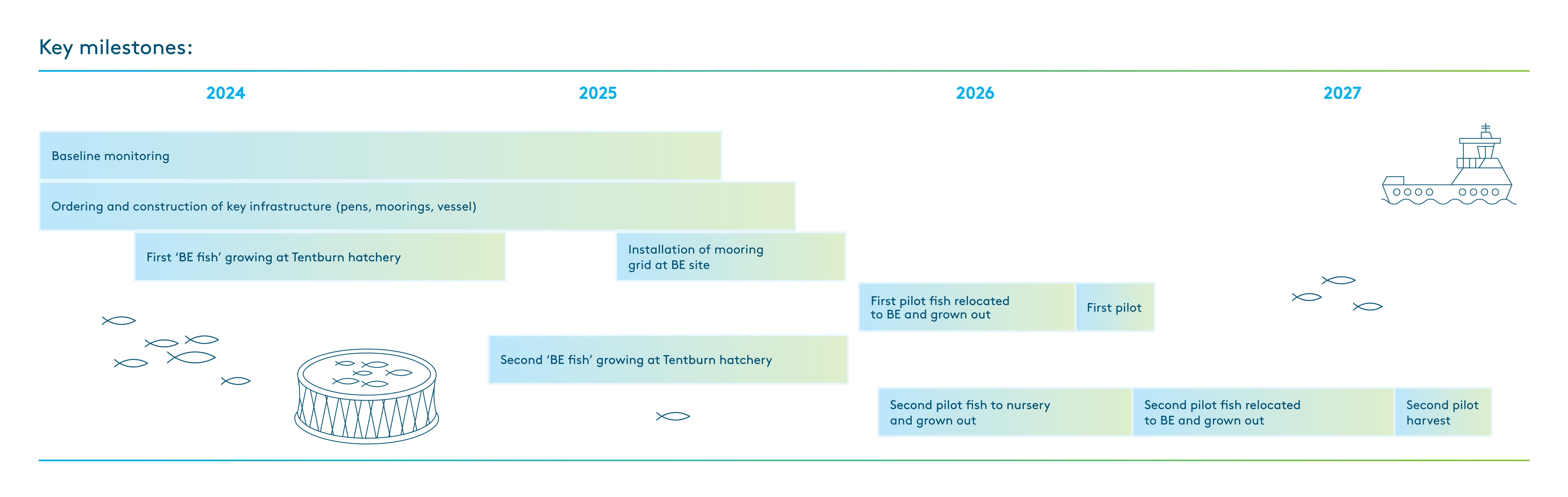
We estimate it will take just under two years to develop the initial farm infrastructure, from June 2025. The first salmon will go to sea shortly afterwards and the first harvest will take place approximately one year later.
What does Blue Endeavour mean for NZKS' existing inshore farms?
Our existing inshore farms are necessary for business continuity and risk mitigation. We will maintain our inshore farming operations as they will help us achieve continuous year-round production.
How big is Blue Endeavour and how many fish will it produce?
The Blue Endeavour farm equates to just less than 12 surface hectares. When the farm is at full operational capacity, this will allow us to grow approximately 10,000 tonnes of King salmon per year – enabling us to double our current production.
What will the farm look like?
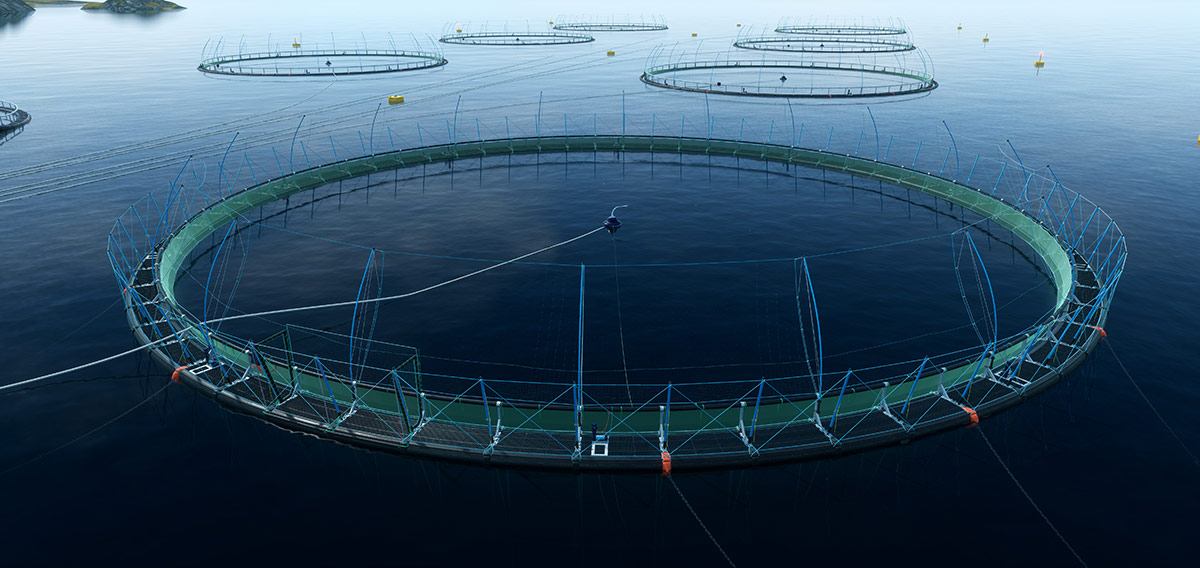
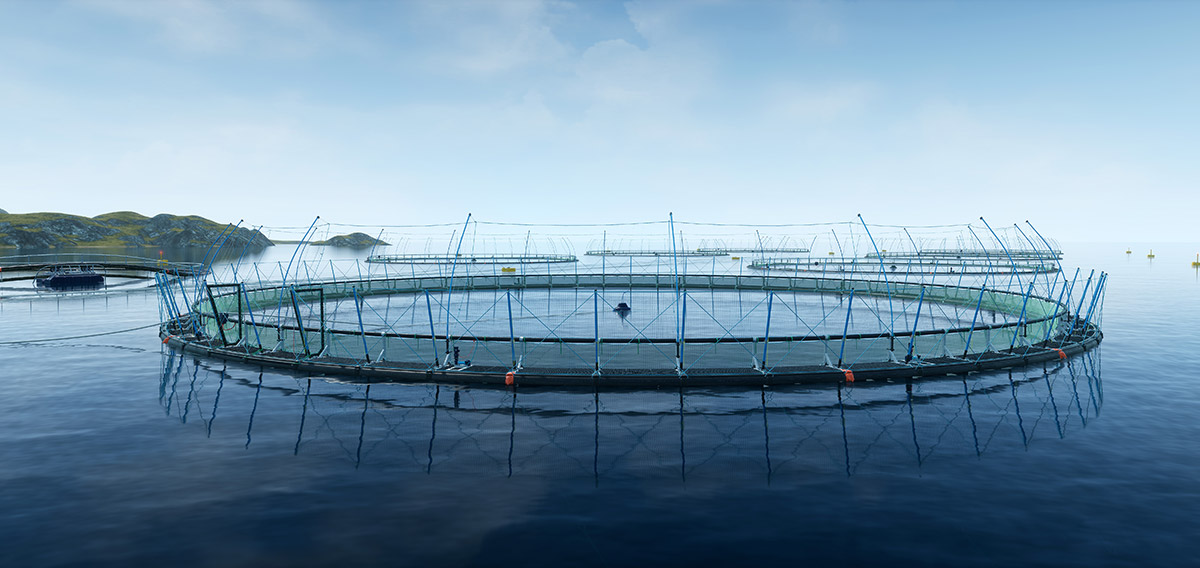
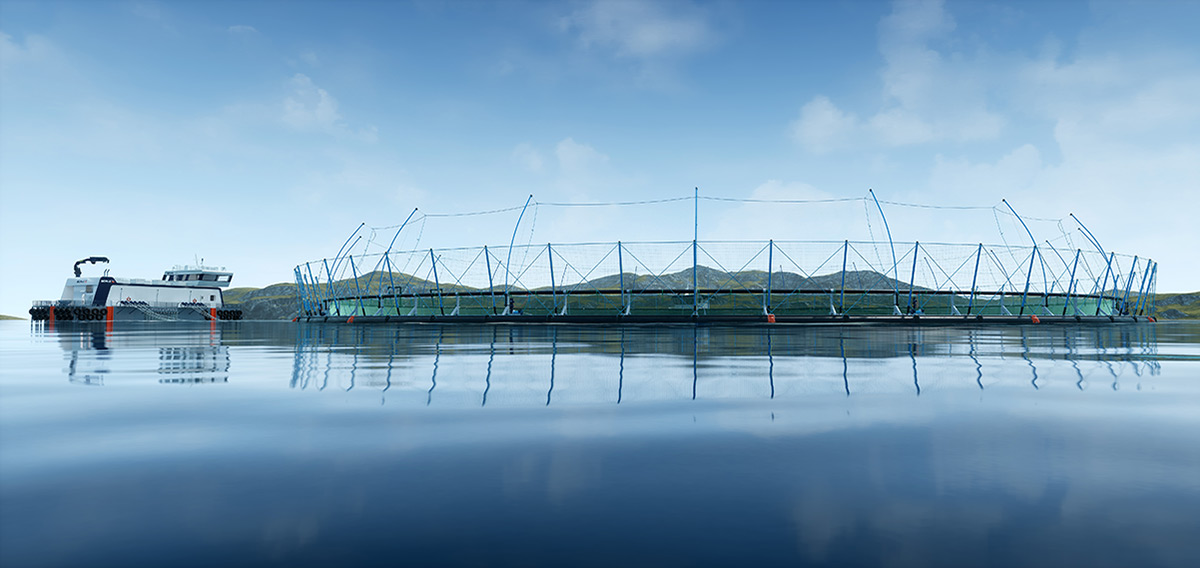
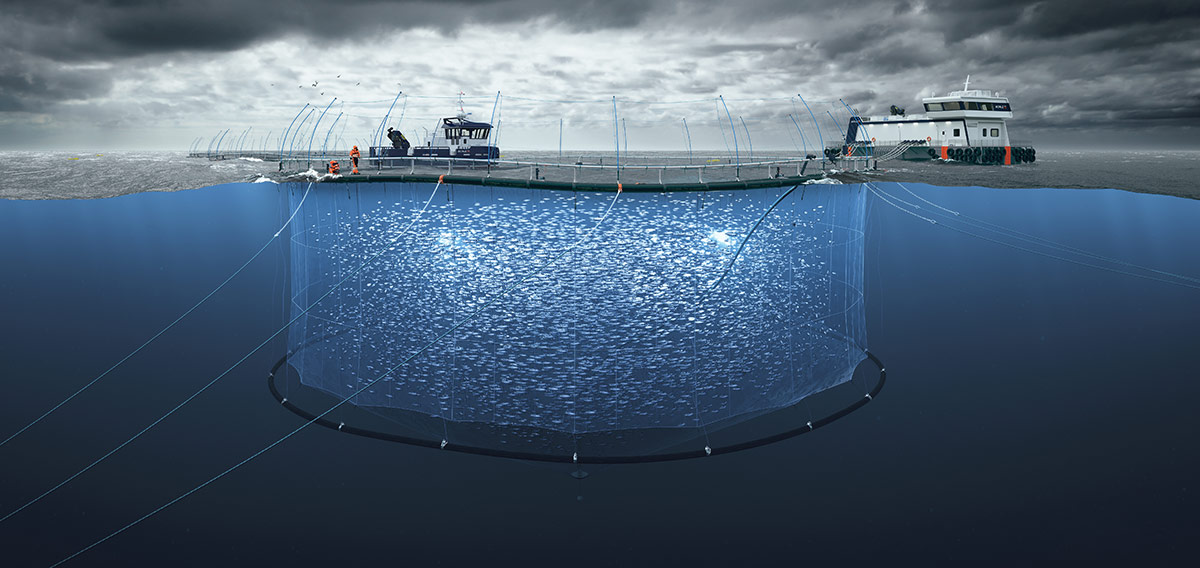
The farm will consist of two separate blocks pens located in areas specifically chosen to minimse environmental impact. Each block of circular pens will be in a two by five layout, and have a stationery barge attached for accommodation and feed storage.
How long will it take to get to the farm from land?
It takes around two hours to travel to the Blue Endeavour farm from the Pelorus Sound, depending on vessel and conditions.
How will you ensure Blue Endeavour can cope with open ocean conditions?
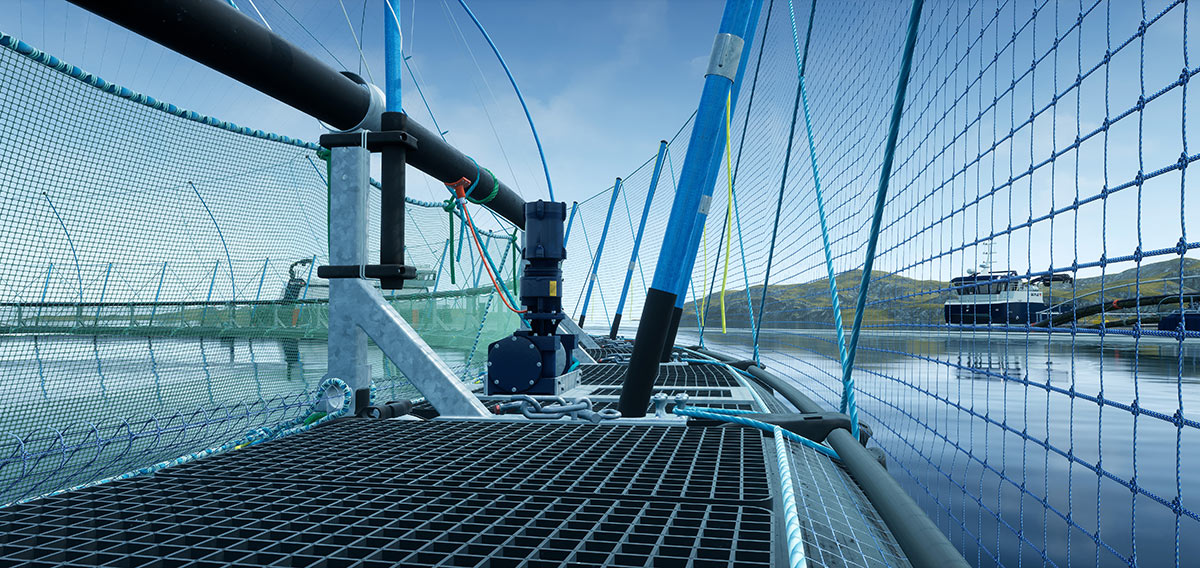
We are working with international experts and utilising cutting edge technology to ensure Blue Endeavour is designed and manufactured to withstand the extreme weather conditions the open ocean may pose. Pens will be made from high-density polyethylene and galvanised steel, they will be kept in place using a mooring grid system attached to the seabed through multiple anchors.
How will you get salmon out to Blue Endeavour?
Smolt will likely be transferred from the Marlborough Sounds to Blue Endeavour on a well-boat, which is a specially designed vessel with a tank for the transport of live fish.
How will salmon be fed at Blue Endeavour?
Feeding our salmon is one of the most important operations on our farms, a feed barge with the capacity to hold up to 900 tonnes of feed will be attached to each block of pens at Blue Endeavour. This barge will be able to feed the 10 pens simultaneously and can be operated either directly from the Blue Endeavour site or remotely. Feed will be discharged through a series of pipes located at or near the surface of the water from the feed barge to the pens using a system of either air blowers or water pumps.
How will harvest take place at Blue Endeavour?
When salmon reach optimum size for harvest, they will likely be transferred from Blue Endeavour on a well-boat to our inshore farms where harvest will take place.
How will you manage marine mammal and seabird interactions at Blue Endeavour?
We will implement operational protocols to manage interactions with marine mammals and seabirds. These protocols will be based on guidelines developed with a range of experts including the Department of Conservation and will involve ongoing monitoring and reporting – similar to our inshore sites. We’ve also used acoustic monitoring equipment to make sure we’re aware of the main whale and dolphin species present in the area.
Will Blue Endeavour affect my fishing?
There is nothing to prevent fishing, boating or other water-based activities occurring around Blue Endeavour so long as it doesn’t interfere with the farming operations and structures. Public access will still be available to approximately 98% of the space referenced in our application.
Will climate change and warming seas affect the Blue Endeavour farm?
Initial monitoring results show the water temperatures at the Blue Endeavour site fall within a suitable range for farming King salmon. We anticipate that the open ocean high-energy conditions and significant depth will be less susceptible to warming sea temperatures.
Will the Blue Endeavour farm be subject to the same council audits as inshore farms?
Blue Endeavour will operate within the consent conditions imposed by Marlborough District Council (MDC) which are specific to the Blue Endeavour site. We will ensure these conditions are met by implementing appropriate management plans relating to the seabed, water column, biosecurity and interactions with marine mammals and sea birds. Management plans also address structural integrity, maintenance, navigational safety, construction and emergency response. These management plans are certified by MDC and will undergo a regular review process to ensure Blue Endeavour is operated in accordance with best practice.
How much feed will be discharged at the Blue Endeavour site?
Our resource consent application includes up to 10,000 tonnes of feed per block of pens, discharged per year. Our aquaculture teams are specially trained to observe and monitor the feeding process. As per our inshore sites, underwater cameras will be used at the Blue Endeavour farm to closely monitor appetite and activity during each feed, ensuring our salmon receive just the right amount of feed with minimal waste.