New Zealand King Salmon (NZKS) in partnership with Forest & Bird’s Te Hoiere Bat Recovery Project, has raised $4,120.10 at this year’s Havelock Mussel & Seafood Festival, to support one of the last remaining populations of pekapeka-tou-roa (long-tailed bats) in the top of the South Island.
Bats are the only native land mammals in New Zealand, and long-tailed bats are classed as “Nationally Critical” due to habitat degradation and introduced pests.
A team of volunteers from NZKS and the Te Hoiere Bat Recovery Project attended the Festival on Saturday, selling a Regal Marlborough King salmon dish prepared by Chef Antony Page.
All proceeds from sales of the dish, and a raffle prize including a Regal voucher and Omega Plus pet food products, will go to the Te Hoiere Bat Recovery Project, a local initiative working to support the bat population in the Pelorus Bridge/Rai Valley areas through habitat restoration, data collection and monitoring, and management of pests such as rats, stoats, possums and feral cats.
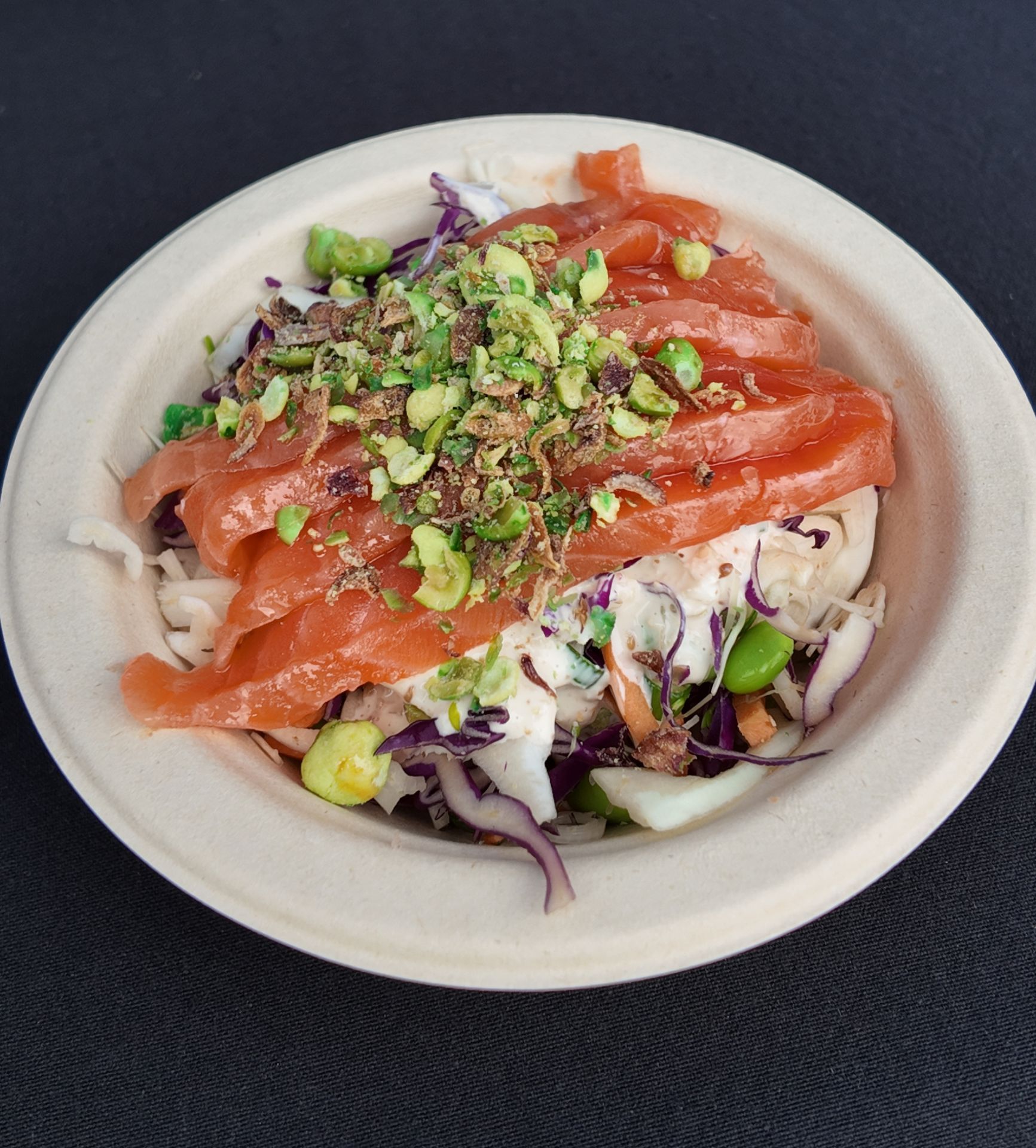
Image: Dish prepared by Chef Antony Page
New Zealand King Salmon Chief Executive Carl Carrington says the company is proud to support local initiatives through sponsorship of the Havelock Mussel & Seafood Festival.
“NZKS aims to support projects at the heart of communities across Te Tauihu, and we see our involvement at the Havelock Mussel & Seafood Festival as a fantastic opportunity to bring the aquaculture industry and community together to fundraise for important local initiatives,” says Carl.
“We are pleased to play a small part in helping Te Hoiere Bat Recovery Project to raise awareness about the presence of pekapeka-tou-roa in the area, and the need for community engagement and action to protect this taonga species.”
The Te Hoiere Bat Recovery Project was started in 2010 by the Royal Forest and Bird Protection Society of New Zealand (‘Forest & Bird’). A monitoring programme was established in late 2018, with support from the Department of Conservation (DOC). This summer was the eighth monitoring season – in the previous seven seasons, 32 maternity roosts had been recorded in Pelorus Bridge Scenic Reserve, and 39 roosts in Rai Valley.
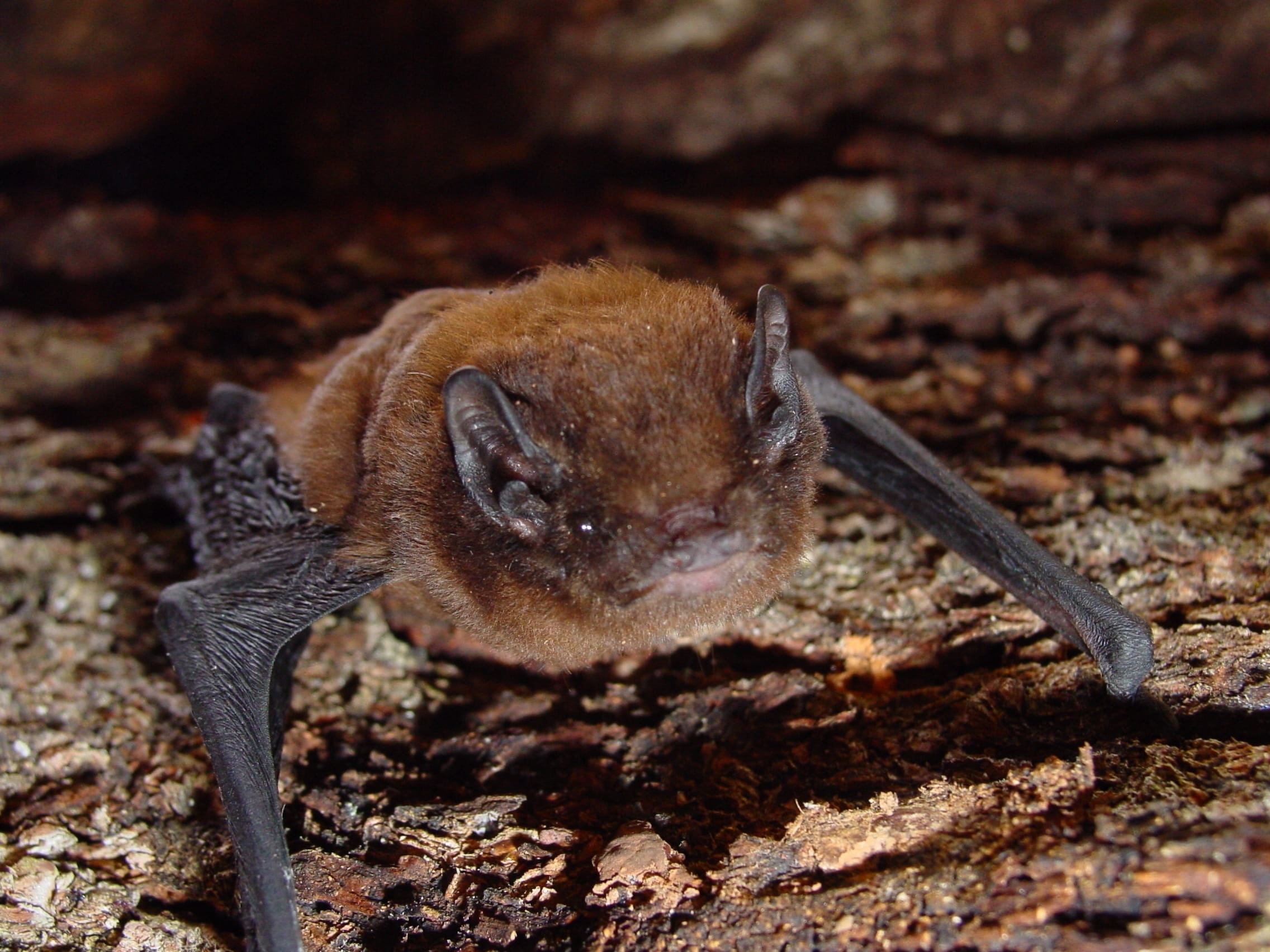
Image: Pekapeka-tou-roa (long-tailed bats), Photo Credit: Colin O’Donnell, DOC
Additional roosts will be added following the results of monitoring this season.
Chris Shaw is Project Lead of the Te Hoiere Bat Recovery Project and says recent efforts have focused on monitoring and developing extensive trapping networks in the area.
He estimates that well over 1000 hours of volunteer time has been dedicated to trapping efforts every year since 2010.
“Today, a comprehensive network of traps within the Pelorus Bridge, Ronga and Carluke Reserves is serviced by a team of around 24 volunteers and two permanent Forest and Bird employees,” says Chris.
“Targeting rats, stoats, and possums, the network aims to protect the vulnerable bat roost sites first, with the intention of further development throughout the catchment, especially the Brown River Reserve where there are known roosts unprotected by a trap network.”
Chris says monitoring in recent years has been heartening, but ongoing efforts are needed to ensure the survival of pekapeka-tou-roa.
“Continued predator control and protection of roost trees is essential for the long-term survival of these bats,” he says.
“Annual acoustic and mark-recapture monitoring programmes are conducted with the aim of collecting enough data to determine the trajectory of the bat population and help us to assess the efficacy of the trap network.”
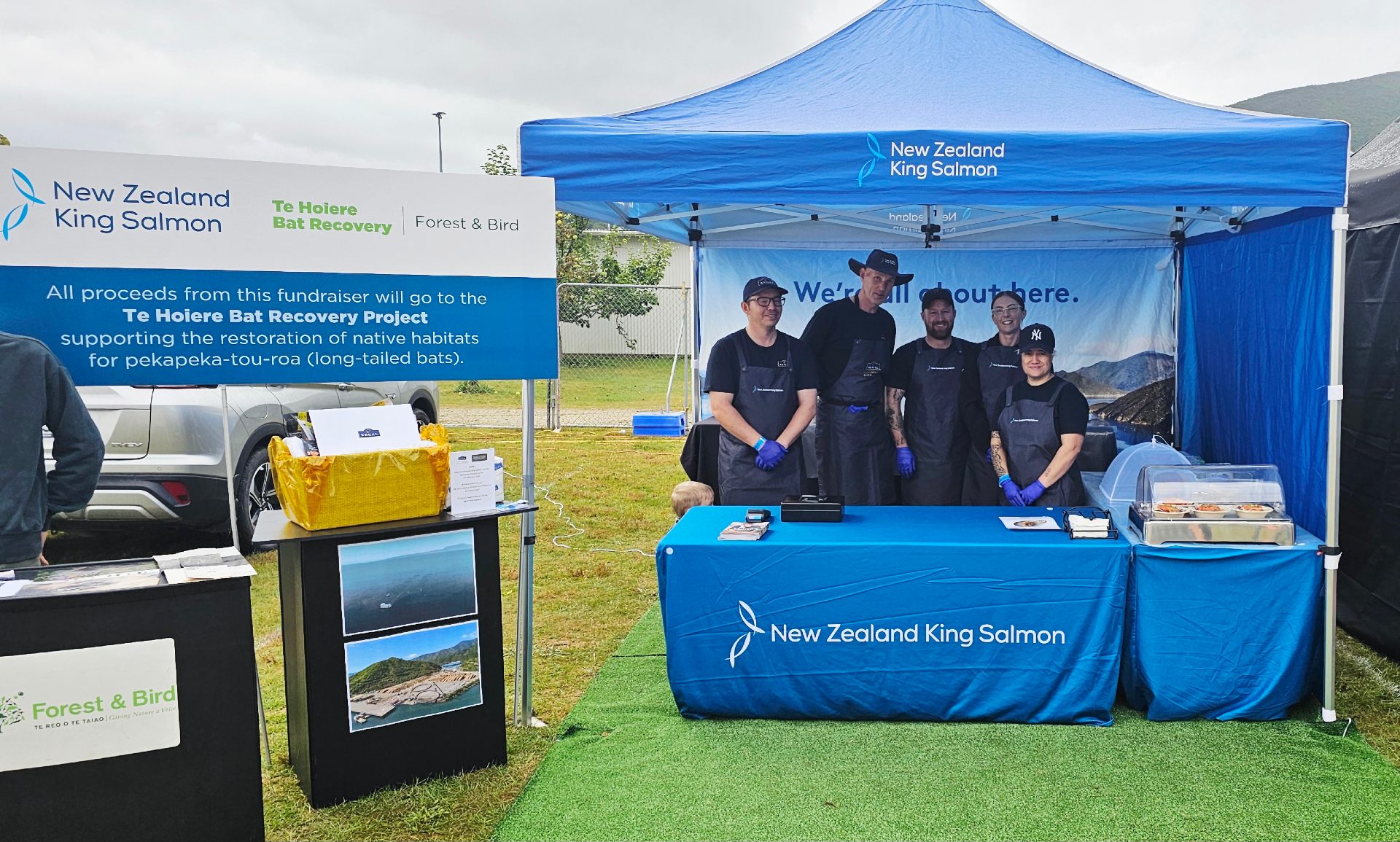
Image: NZKS Volunteers at the 2026 Havelock Mussel & Seafood Festival
About pekapeka-tou-roa in Pelorus / Te Hoiere catchment:
- Pekapeka-tou-roa are small, weighing only 8–12 grams, but with a wingspan of about 25–30 cm.
- The bats feed on flying insects such as moths and beetles, usually along river corridors, forest edges, and over water.
- Pekapeka-tou-roa begin foraging about 15 minutes after sunset and can fly up to 60 km/h.
- Individual bats may use very large areas of forest and river valleys.
- The Pelorus / Te Hoiere population is the largest known population of long-tailed bats in the Nelson–Marlborough region, and one of only three remaining populations known in the top of the South Island.
For more information about the Te Hoiere Bat Recovery Project and how you can support, click here.
To read more about the Havelock Mussel & Seafood Festival, click here.